
For hundreds of millions of Indians, a ration card is one of the most important documents they own. It decides whether a family can get subsidised or free foodgrain each month. The PM Garib Kalyan Anna Yojana (PMGKAY) is the government’s free food scheme, started during the Covid-19 crisis and later extended. This guide explains who is covered, how much grain you receive, how to use your ration card, and what to do when something goes wrong.
What Is the PM Garib Kalyan Anna Yojana?
PMGKAY began in 2020 as an emergency measure to help poor families during the pandemic. It gave extra free foodgrain on top of the subsidised grain that families already received under the National Food Security Act (NFSA). In later years, the government merged the benefit into the NFSA itself, and the Cabinet extended the supply of free foodgrain for five years from 1 January 2024. Reports say that this arrangement was approved to continue until December 2028 and that it covers about 81 crore people.
How Much Grain Do You Get?
- Priority Households (PHH): 5 kg of foodgrain per person per month, free of cost.
- Antyodaya Anna Yojana (AAY) households: the poorest families get 35 kg of foodgrain per family per month, also free.
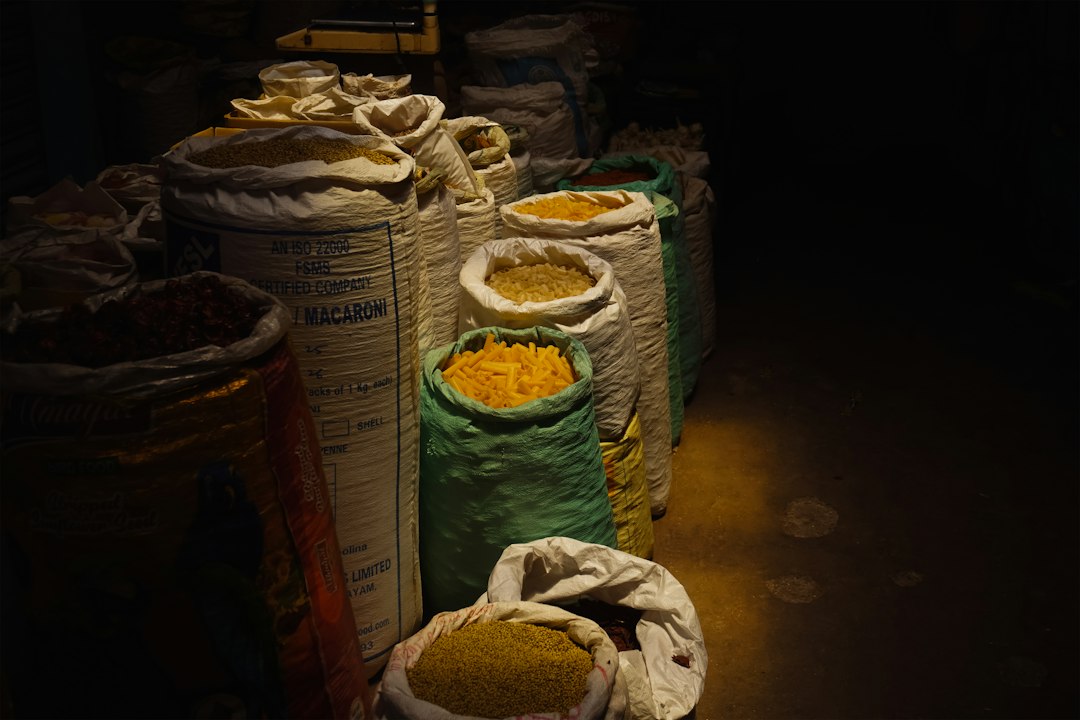
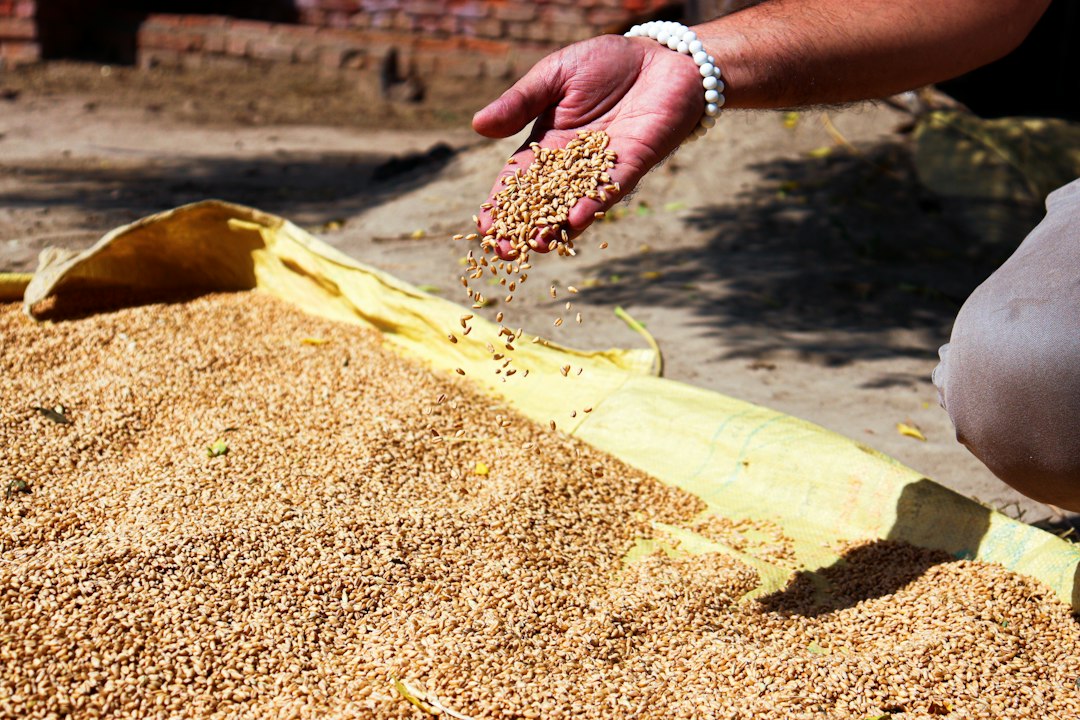
The grain is usually a mix of wheat and rice, depending on the state and the season. The government has also approved supplying fortified rice, which has added iron and vitamins, in the public distribution system and other welfare schemes. A family of five in the Priority category would therefore receive 25 kg a month. The exact items and quantities can vary between states, so ask your ration shop what is on offer.
Who Is Eligible?
Eligibility is based on your ration card, and the card is issued by your state government under the NFSA. In simple terms:
- Families with an AAY card or a Priority Household card are covered.
- Each state prepares its own list of eligible families using criteria set under the NFSA. Families such as the landless, daily-wage workers, widows, the elderly without support, and persons with disabilities are often in the poorest group.
- If you do not hold one of these cards, you are generally not covered by the free grain, even if your income is low. You would need to apply for a ration card from your state.
How to Get a Ration Card
There is no central application. Ration cards are given by each state’s food and civil supplies department, so the process differs, but the steps are similar:
- Visit your state’s food and civil supplies website, a Common Service Centre, or the local food office.
- Fill in the ration card application form.
- Attach identity and address proof for each family member, such as Aadhaar, along with a passport-size photograph of the head of the family.
- Add proof of income or category, if your state asks for it.
- Submit the form and keep the receipt.
- After verification, your card is issued and your family is added to the list.
Because rules and portals differ by state, check the official website of your state’s food department or ask at the ration shop for the exact process and documents.
How to Collect Your Monthly Ration
- Go to the fair price shop (ration shop) named on your card.
- Carry your ration card and your Aadhaar, since most shops use a biometric or OTP check on a point-of-sale machine.
- Check the machine’s display and your receipt for the quantity of grain you are entitled to.
- Ask for a printed or SMS receipt. It records what you took.
- Collect your grain in full. You do not pay for the free quota.
Many states also let a card holder collect grain from a shop in another place if they have moved for work. This is part of the “One Nation One Ration Card” arrangement. Please check with your state whether it is active and what the process is for you.
Common Problems and What to Do
- Your name is missing from the list. Ask your local food office why. You may need to apply again or correct your details.
- Biometric failure. Fingerprints can fail, especially for elderly people and manual workers. Ask the shop to use an OTP or an alternative method, because you should not be refused because of a machine failure.
- Less grain than your entitlement. Check the machine display and the receipt. If you are short-changed, complain to the food inspector or the district officer.
- Aadhaar not linked. Some states require each family member’s Aadhaar to be linked with the card. Update this at the food office or a CSC.
- Shop closed or denied service. Use your state’s food helpline, or the national helpline for public distribution complaints.
Frequently Asked Questions
Is the grain really free?
Yes, for NFSA ration card holders in the AAY and Priority categories, the foodgrain entitlement is supplied free of cost under this arrangement.
Can I get both PM Kisan and free ration?
Yes. They are different schemes. See our guide to the PM Kisan Samman Nidhi for the farmer income support.
Do I need a bank account for this scheme?
No, because grain is given in kind. But a bank account is needed for most other schemes, so read our guide to the PM Jan Dhan Yojana.
Does the ration card help with other schemes?
Yes. Many schemes use the ration card as proof of poverty or family size, such as the PM Ujjwala Yojana for LPG connections.
Final Thoughts
The free ration scheme is one of the largest food programmes in the world. To benefit from it you need the right ration card, Aadhaar linked to it, and the habit of checking your receipt. If your family is not on the list, apply through your state’s food department as soon as possible, and keep records of every complaint you make.
Disclaimer: This article is for general information and is not an official government publication. Entitlements, items supplied, eligibility lists and procedures differ by state and can change. Please confirm the current details with your state food and civil supplies department or your fair price shop. Details last reviewed in November 2026.