Owning a pucca home with a proper roof, walls and a toilet is still out of reach for many Indian families. The Pradhan Mantri Awas Yojana (PMAY) is the Government of India’s flagship housing programme, meant to help eligible households build or buy a permanent home. This guide to the PM Awas Yojana explains how the scheme is split into urban and rural parts, who can apply, what help is on offer, and how to apply without paying anyone a middleman fee.
What Is PM Awas Yojana (PMAY)?
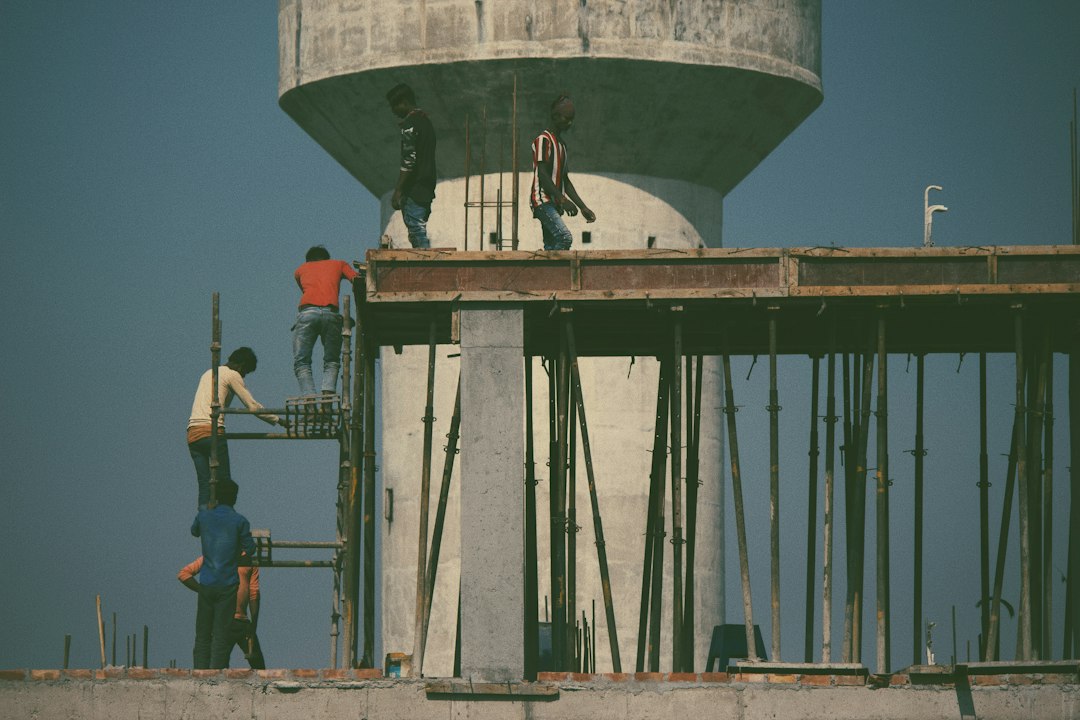
PMAY was launched in June 2015 with the aim of providing housing for all. It has two main parts. PMAY-Urban (PMAY-U) is run by the Ministry of Housing and Urban Affairs and covers towns and cities. PMAY-Gramin (PMAY-G) is run by the Ministry of Rural Development and covers villages. The first phase of the urban scheme sanctioned more than 1.2 crore houses according to the official portal, and a second phase, PMAY-Urban 2.0, was announced to continue the work from September 2024. The rural scheme has also been extended, with a target of building two crore more houses by March 2029.
Because the two parts work differently, the first step is to work out which one applies to you. If your home is in a municipal area, you look at PMAY-Urban. If it is in a gram panchayat area, you look at PMAY-Gramin.
PMAY-Urban: Who Can Apply
PMAY-Urban is aimed at three groups of city households:
- Economically Weaker Section (EWS): annual household income up to about ₹3 lakh.
- Lower Income Group (LIG): annual household income of roughly ₹3 lakh to ₹6 lakh.
- Middle Income Group (MIG): annual household income of roughly ₹6 lakh to ₹9 lakh, in the schemes that cover this group.
In general the family, which means the husband, wife and unmarried children, must not own a pucca house anywhere in India. The scheme encourages women’s ownership, so the female head of the household is normally required to be the owner or co-owner of the house. Income limits can be updated by the government, so always check the current figures on the official portal before you apply.
The Four Ways to Get Help Under PMAY-Urban
PMAY-Urban does not give every family the same kind of benefit. The help depends on your situation, and the scheme offers four options, called verticals.
- Beneficiary-Led Construction (BLC): if you already own a plot of land, you receive financial help in stages to build or enlarge your own house.
- Affordable Housing in Partnership (AHP): flats built by public or private builders, with a share of the cost supported by government assistance.
- In-Situ Slum Redevelopment (ISSR): existing slums are redeveloped on the same land, and the residents receive pucca homes.
- Credit Linked Subsidy Scheme (CLSS): an interest subsidy on a home loan taken from a bank or housing finance company.
Under PMAY-Urban 2.0, reports about the scheme describe central assistance of up to ₹2.5 lakh per house for the construction and partnership routes, and an interest subsidy of up to about ₹1.8 lakh in the loan route. Since different sources describe the exact amounts differently, treat these numbers as a guide and confirm the figure for your category on the official portal.
PMAY-Gramin: Help for Rural Families
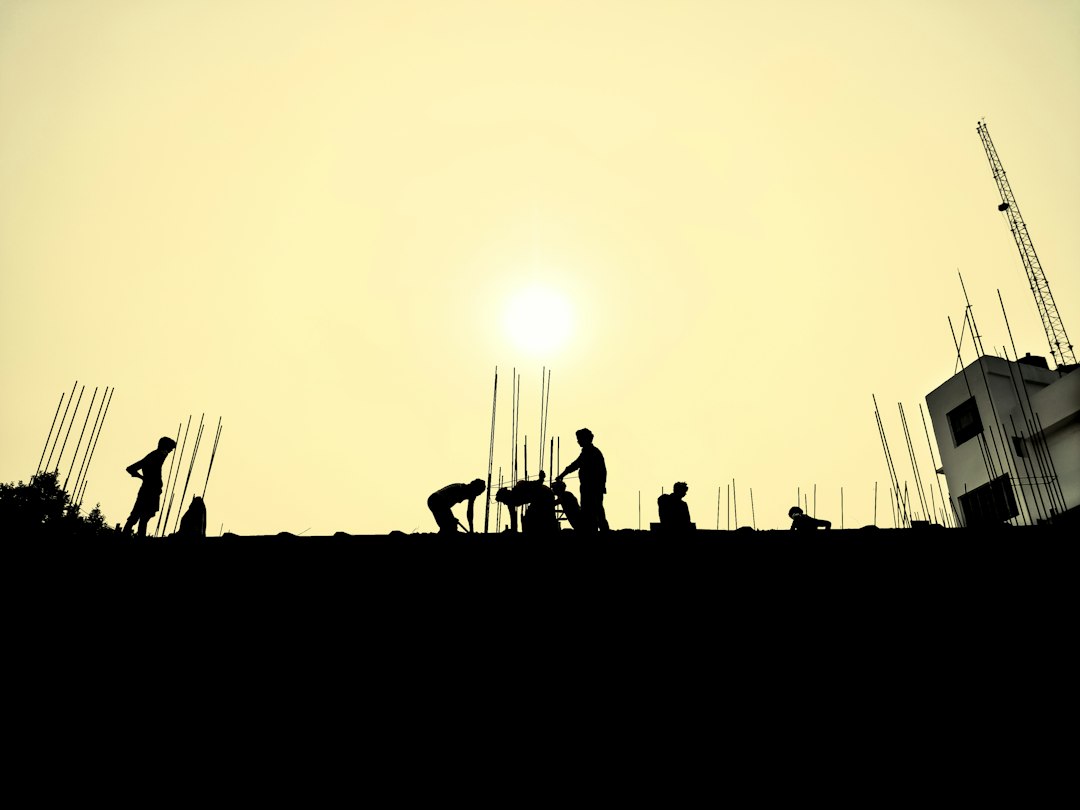
PMAY-Gramin works differently from the urban scheme. There is no open online form that anyone can fill in. Instead, eligible families are identified through a government survey and the list is checked in the Gram Sasha. The people who qualify are generally houseless families or families living in a kutcha house with one or two rooms. Priority is given to groups such as Scheduled Castes and Scheduled Tribes, minorities, widows, and families of those who served in the armed forces, along with persons with disabilities.
Eligible families receive a grant to build a pucca house of at least 25 square metres, with a space for hygienic cooking. The commonly quoted assistance is ₹1.20 lakh in plain areas and ₹1.30 lakh in hilly and difficult areas, paid in instalments directly into the beneficiary’s bank account as construction progresses. Additional support is available for building a toilet through the Swachh Bharat Mission and for work days under MGNREGA. As with the urban scheme, confirm the latest amount with your block development office or on the official PMAY-G website.
Documents You Will Need
- Aadhaar card of the applicant and family members
- Proof of income, such as an income certificate or salary slips for urban applicants
- Bank account details linked to Aadhaar, since assistance is paid directly
- Proof of address, such as a ration card, voter ID or electricity bill
- Land ownership papers if you apply for construction on your own plot
- Caste certificate, where you are claiming a priority category
- An affidavit stating that no family member owns a pucca house
How to Apply Step by Step
For urban applicants
- Open the official PMAY-Urban portal and choose the “Apply Online” option that suits you.
- Enter your Aadhaar number and complete the verification.
- Fill in the application form with your personal, income and address details.
- Upload or keep ready the supporting documents.
- Submit the form and save the application number. You can use it to track the status later.
You can also apply in person through a Common Service Centre or the urban local body, and bank branches handle the loan route.
For rural applicants
- Check whether your name is on the permanent wait list by asking the gram panchayat or the block office.
- If your family is eligible but missing from the list, ask for a survey or use the self-survey option where it has been enabled.
- Once approved, share your bank details so the first instalment can be released.
- Build the house in stages, and let the officials geo-tag each stage so that the next instalment is released.
Common Mistakes to Avoid
- Paying an agent. Applying for PMAY is free. Nobody has the right to charge a fee for putting your name on a list.
- Name mismatch. A spelling difference between Aadhaar, bank records and the application is the most frequent reason for delays.
- Wrong category. Pick the income group that matches your certificate, as an incorrect entry can lead to rejection.
- Ignoring geo-tagging. In the rural scheme, instalments are linked to photographs of each stage of construction.
- Using unofficial websites. Only apply through government portals with a gov.in or nic.in address.
Frequently Asked Questions
Can I get PMAY if I already own a house?
Generally no. The family must not own a pucca house in any part of India, though rules for enlarging an existing kutcha house are different.
Is the benefit paid in cash?
Assistance is transferred through the banking system, so it goes to the beneficiary’s bank account, and not as cash from an official.
Who should own the house?
The scheme promotes women’s ownership, so the house is usually registered in the name of the woman of the family, either alone or jointly.
How long does approval take?
It depends on the state and the verification process. Keep your application number and check the status regularly on the portal.
Final Thoughts
PMAY is one of the largest housing programmes in the world, and the money is real for eligible families, but the benefit goes only to those who choose the right component, keep their documents accurate and follow the official process. Start by finding out whether your area falls under the urban or the rural scheme, collect the documents above, and apply only through official channels, such as the official PMAY portal. Families who also need a cooking connection can read our guide to the PM Ujjwala Yojana.
Disclaimer: This article is for general information and is not an official government publication. Income limits, subsidy amounts and rules change from time to time. Always confirm the latest details on the official PMAY-Urban and PMAY-Gramin portals or at your local municipal or block office before applying. Details last reviewed in October 2026.