
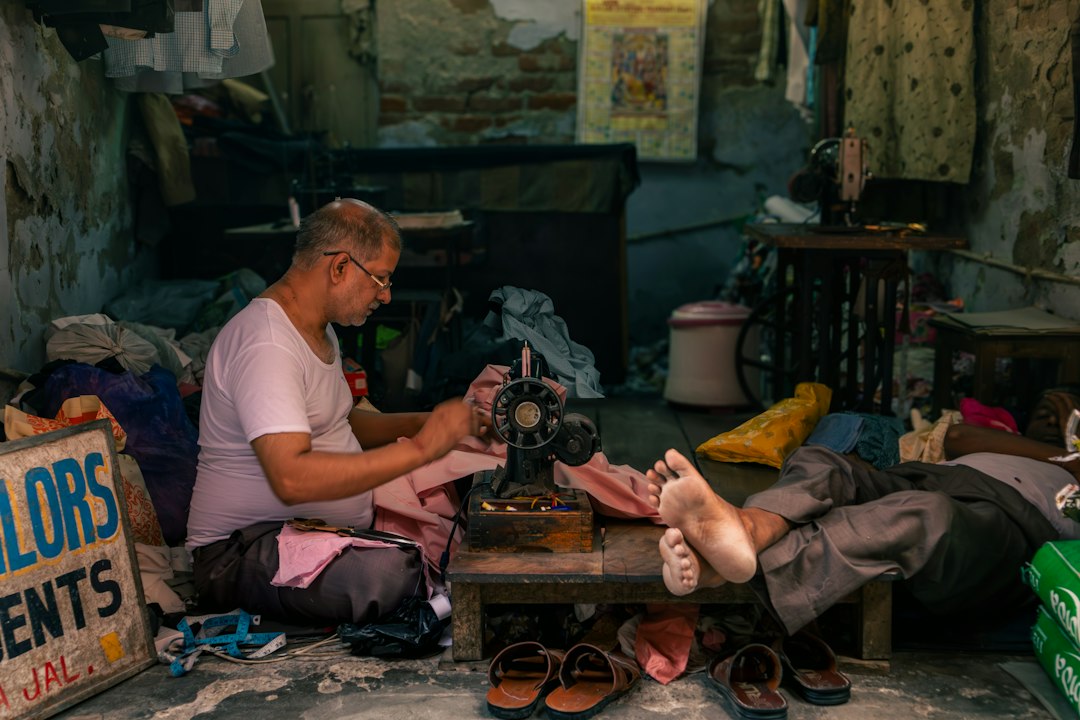
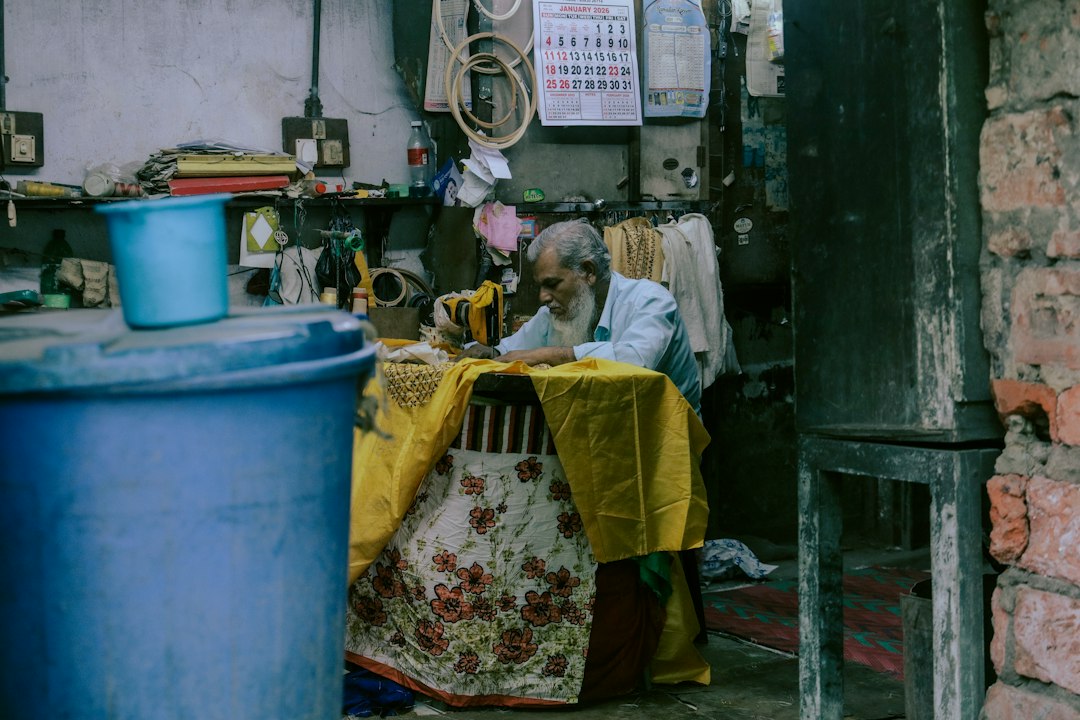
Millions of Indians run small businesses such as tea stalls, tailoring units, tiffin services, repair shops and small workshops. Many of them find it hard to get a loan from a bank because they have no property to offer as security. The PM Mudra Yojana (Pradhan Mantri Mudra Yojana, or PMMY) was created to close that gap. This guide explains what the scheme offers, the loan categories, who can apply, the documents you need and how to apply.
What Is PM Mudra Yojana?
PMMY was launched on 8 April 2015. MUDRA stands for Micro Units Development and Refinance Agency. Mudra itself does not usually lend directly to you. It supports banks, regional rural banks, small finance banks, microfinance institutions and non-banking finance companies, who give the loans. The scheme is meant for non-farm income-generating activities in manufacturing, trading and services, with loans of up to ₹20 lakh, depending on the category. Direct agricultural activities such as growing crops are not covered, although allied activities may be treated differently by lenders.
The main selling point is that Mudra loans are generally given without collateral. The interest rate is not fixed by the scheme. Each lender decides its own rate within the rules set by the Reserve Bank of India, so it pays to compare offers.
The Loan Categories
Mudra loans are grouped by how far the business has grown, not by the type of business.
- Shishu: loans up to ₹50,000, for people who are just starting out or running a very small unit.
- Kishor: loans above ₹50,000 and up to ₹5 lakh, for businesses that are running but need money to grow.
- Tarun: loans above ₹5 lakh and up to ₹10 lakh, for established businesses that want to expand.
- Tarun Plus: loans up to ₹20 lakh, for entrepreneurs who have already taken a Tarun loan and repaid it on time.
Tarun Plus was added in the 2024 Budget. Some websites quote a different upper limit for it, so confirm the current ceiling on the official Mudra or JanSamarth portal or with your bank before you plan your borrowing.
What Can You Use the Loan For?
- Buying machinery, equipment and tools
- Working capital, such as raw materials and stock
- Setting up or expanding a shop, workshop or small factory
- Purchasing a commercial vehicle for business use, such as a small goods carrier or an auto-rickshaw
- Services businesses such as salons, repair shops, food stalls and small transport units
- Allied activities such as dairy, poultry or beekeeping, subject to the lender’s policy
Who Is Eligible?
Any Indian citizen with a business plan for a non-farm income-generating activity can apply. In practice, lenders look at the following:
- The applicant should be at least 18 years old.
- The business should be a micro or small enterprise in manufacturing, trading or services.
- The borrower should not be a defaulter with any bank or financial institution.
- A reasonable credit record helps, especially in the Kishor and Tarun categories.
- For Tarun Plus, an earlier Tarun loan must have been repaid successfully.
Individuals, sole proprietors, partnership firms, private limited companies and self-help groups can all apply. Women entrepreneurs and members of Scheduled Castes and Tribes are encouraged, and some lenders offer a slightly lower interest rate to them.
Documents Required
- Duly filled loan application form
- Identity proof, such as Aadhaar, voter ID, PAN or passport
- Address proof, such as a utility bill or rent agreement
- Passport-size photographs
- Proof of the business address and activity, such as a shop licence, Udyam registration or GST registration, where applicable
- Bank statements for the last six months
- Proof of category for reserved-category applicants, if relevant
- For Kishor and Tarun loans, a short business plan, and often income tax returns or financial statements of recent years
Shishu loans usually need the fewest documents. If you run a very small unit with no formal registration, you can still approach the bank with identity proof, address proof and a clear explanation of how you will use the money.

How to Apply Step by Step
- Decide how much you need. Work out what you will buy, what it costs, and how the business will earn enough to repay in instalments.
- Pick a lender. Public sector banks, regional rural banks, small finance banks, microfinance institutions and many NBFCs offer Mudra loans. Compare interest rates and fees.
- Apply online or in person. You can fill in an application on the JanSamarth portal or the Udyamimitra portal, or walk into a branch and ask for the Mudra loan form.
- Submit your documents. Attach the identity, address and business papers listed above.
- Verification and sanction. The lender checks your details and business, and then decides whether to sanction the loan and for how much.
- Disbursement. After you accept the terms, the money is credited to your account. In some cases you will also receive a Mudra card, which works like a debit card for working-capital withdrawals.
Tips to Improve Your Chances
- Keep a bank account active. Regular deposits and withdrawals show the lender that your business generates cash.
- Register your business. A free Udyam registration helps for loans and other government schemes.
- Ask for a realistic amount. A request that matches your plan is more likely to be approved than an inflated one.
- Repay on time. A clean repayment record is what unlocks the larger Tarun and Tarun Plus loans later.
- Do not pay agents. No one can legally charge a fee to guarantee a Mudra loan. Be careful with websites that promise instant approval for a payment.
Frequently Asked Questions
Is a Mudra loan a government subsidy?
No. It is a loan that you must repay with interest. The scheme makes it easier to get one without collateral, but it is not a grant.
Is any security needed?
Loans under the scheme are meant to be collateral-free. Lenders may still ask for a guarantee or hypothecation of the assets you buy with the loan.
What if my application is rejected?
Ask the lender for the reason. Common causes are a weak credit record, incomplete documents, or a business plan that does not clearly show repayment ability. You can fix the gap and apply again, or approach a different lender.
Can I apply if I run the business from home?
Yes, if the activity is a genuine non-farm business such as tailoring, baking, tutoring or small-scale manufacturing, and you can explain how it earns income.
Final Thoughts
For a small entrepreneur, a Mudra loan can be the difference between staying small and growing. The scheme helps, but the discipline is yours. Borrow only what the business can repay, keep your records in order, and use the official portals or a bank branch to apply. Artisans in traditional trades may also want to read our guide to the PM Vishwakarma Yojana.
Disclaimer: This article is for general information and is not financial advice or an official government publication. Loan limits, interest rates and lender rules change from time to time. Please confirm the latest details with the official Mudra and JanSamarth portals or your bank before you apply. Details last reviewed in October 2026.
1 thought on “PM Mudra Yojana: Loan Categories, Eligibility and How to Apply”