
A single hailstorm, flood or dry spell can wipe out a farmer’s whole season’s work. Crop insurance is meant to protect farmers from exactly this kind of loss. The PM Fasal Bima Yojana (Pradhan Mantri Fasal Bima Yojana, or PMFBY) is the government’s main crop insurance scheme, in which farmers pay a small premium and the government pays the rest. This guide explains who can join, what the premium is, which losses are covered, and how to claim without missing the deadlines that cause most rejections.
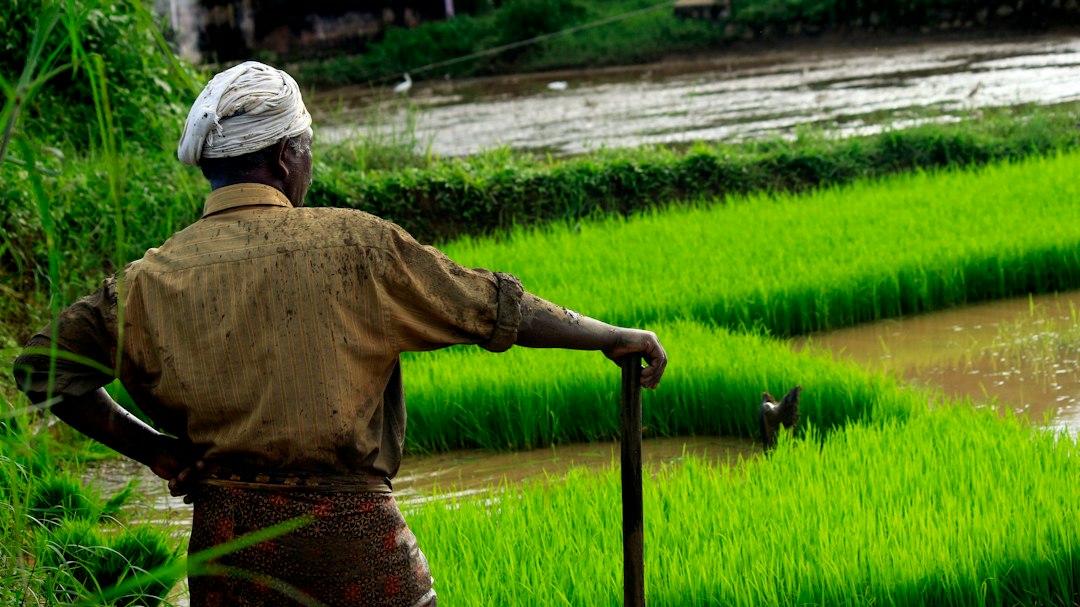
What Is the PM Fasal Bima Yojana?
PMFBY was launched in 2016 and is run by the Ministry of Agriculture and Farmers’ Welfare together with state governments. The insurance is provided by insurance companies, and farmers pay only a part of the real premium. The Central and State governments pay the remaining part. Because the farmer’s share is small, insurance becomes affordable for small and marginal farmers.
The scheme covers loss of yield in notified crops and notified areas. This means that the state government must list a crop in your area for it to be covered, so you should check the list for your district before you enrol.
How Much Premium Do Farmers Pay?
- Kharif crops (the monsoon season): 2% of the sum insured, or the actual premium rate if it is lower.
- Rabi crops (the winter season): 1.5% of the sum insured, or the actual rate if it is lower.
- Commercial and horticultural crops: 5% of the sum insured.
For example, if the sum insured for your Kharif paddy is ₹50,000 and the 2% rate applies, your share of the premium would be about ₹1,000. The rest is paid by the government. These rates have been stable for several seasons, but please check the current rates for your state and crop when you enrol.
Which Risks Are Covered?
- Natural calamities: drought, flood, cyclone, hailstorm, landslide, lightning and fire, and similar events that damage the standing crop.
- Pests and diseases: yield loss caused by them, within the scheme’s rules.
- Prevented sowing: where a farmer could not sow because of deficient rain or adverse conditions in the area.
- Mid-season adversity: widespread damage during the crop season, for which a part of the claim can be paid early.
- Post-harvest losses: for crops that are cut and left in the field to dry, damage by cyclone or unseasonal rain within a short period after harvest, usually 14 days.
Some losses are not covered, for example war, theft, and damage by animals, depending on the guidelines in force. Please read the terms for your crop and season.
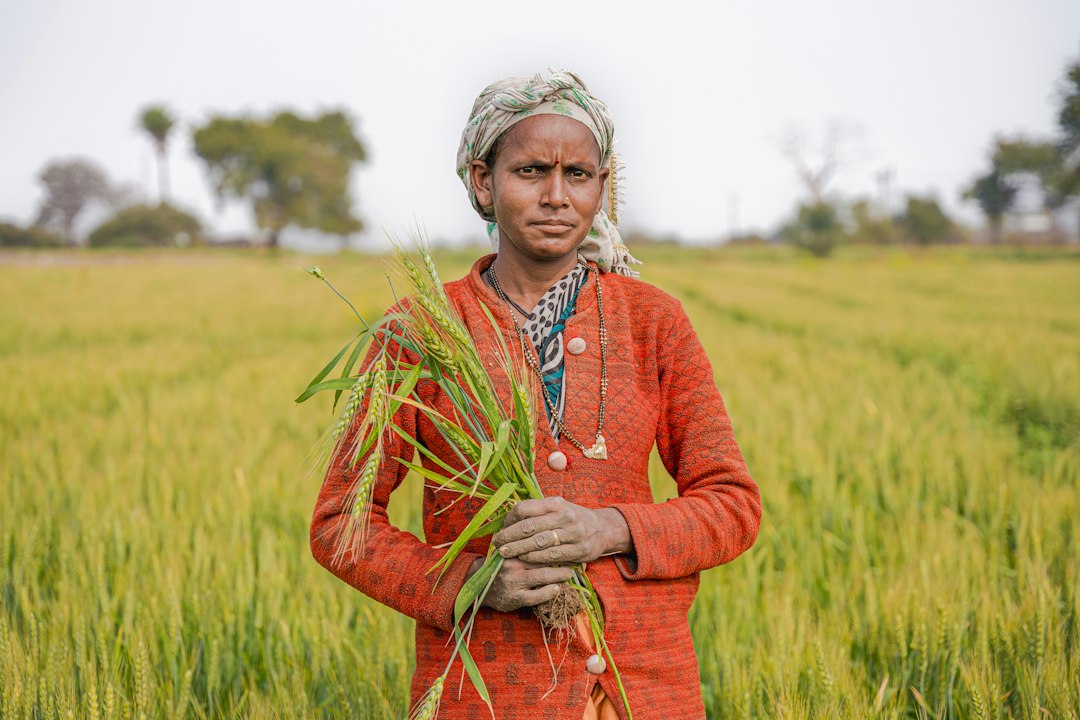
Who Can Enrol?
- Farmers growing notified crops in notified areas, including sharecroppers and tenant farmers, with the owner’s consent or the necessary documents.
- Farmers who have taken a seasonal crop loan from a bank. In the past this was compulsory, but enrolment is now voluntary for loanee farmers as well, so a farmer can choose whether to take the cover.
- Farmers who have not taken any loan, who can enrol on their own.
Documents Needed
- Aadhaar card
- Bank account details, with the account linked to Aadhaar
- Land records, such as a khasra or khatauni number, or a tenancy or sharecropping agreement
- Sowing certificate or a self-declaration of the crop sown, where required
- Passport-size photograph
Enrolment Deadlines
The cut-off dates are fixed by each state, but the usual pattern is that Kharif crops must be enrolled by 31 July and Rabi crops by 31 December. As Kharif enrolment has already closed for this year, farmers who are planning their Rabi sowing should check their state’s date soon. A missed date means a lost season of cover.
How to Enrol Step by Step
- Find out whether your crop is notified in your area from the bank, the agriculture office, or the national crop insurance portal.
- Choose how to enrol: through your bank branch, a Common Service Centre, an insurance company agent, or by registering yourself on the portal.
- Fill in your personal, land and crop details.
- Upload or submit the documents listed above.
- Pay your share of the premium. You will be given a receipt and a policy number.
- Keep the policy number safe. You will need it if you have to report a loss.
How to Claim: The 72-Hour Rule
This is the step where many farmers lose their claim. For localised calamities such as hailstorm, landslide, flooding of your field, cloudburst or lightning-caused fire, and for post-harvest losses, you must report the damage within 72 hours of the event. If you miss that window, the claim may be rejected even if the loss is real. For widespread calamities such as a large-scale drought, the scheme works differently and area-level assessment applies.
- Report the loss at once. You can call the Krishi Rakshak helpline on 14447, use the Crop Insurance mobile app, or inform your bank, the insurance company or the agriculture office. Note down your ticket or reference number.
- Give the details. Your policy number, the crop, the area affected, the cause of loss and the date of the event.
- Take photographs. Pictures of the damaged field with the date are useful evidence.
- Assessment. The insurer and the state government assess the loss, in many cases using crop-cutting experiments in sample plots to find the actual yield.
- Settlement. If your claim is approved, the money is paid directly to your bank account through Direct Benefit Transfer.
The most common reasons for delay are mismatched Aadhaar and bank details, wrong land records and late reporting. Check these before you enrol, not after a loss.
Frequently Asked Questions
Is PMFBY the same as PM Kisan?
No. PMFBY is crop insurance that pays out after a loss. PM Kisan is an income support scheme that pays instalments to eligible farmers. Read our guide to the PM Kisan Samman Nidhi to see how it differs.
Can a tenant farmer enrol?
Yes, with the documents required by the state, such as a tenancy or sharecropping agreement.
What if the insurer rejects my claim?
Ask for the reason in writing. You can raise a grievance with the district-level committee, the state agriculture department or the portal’s grievance system.
Do I still need a bank account?
Yes. Payments go to your bank account, so keep it active and linked to Aadhaar. If you do not have one, see our guide to the PM Jan Dhan Yojana.
Final Thoughts
For a very small premium, PMFBY can protect a family from the worst effects of a bad season. The scheme works best for farmers who enrol on time, keep their documents consistent and report any damage within 72 hours. Before the next sowing season, save the helpline number 14447, check your state’s cut-off date and ask your bank or CSC to enrol you.
Disclaimer: This article is for general information and is not an official government publication or insurance advice. Premium rates, notified crops, deadlines and claim procedures differ by state and season and can change. Please confirm the current details on the official PMFBY portal or with your bank, agriculture office or insurer before you enrol or claim. Details last reviewed in October 2026.